Ataxia Rehabilitation & Coordination Therapy
Targeted balance and sensory integration protocols for cerebellar and sensory ataxia
Specialized exercise programs focused on stabilizing core posture, smoothing dysmetria (uncoordinated movements), and restoring confidence in walking.

What it is & how it works
Ataxia is a movement disorder caused by damage to the cerebellum, the sensory pathways, or the connections between them. It manifests as uncoordinated, jerky, 'drunken' movements, poor balance, intention tremor and difficulty with the smooth, precise motor control most people take for granted. Ataxia may be hereditary (such as Friedreich's), acquired (stroke, alcohol, vitamin deficiency), or degenerative, and it can affect walking, speech, hand use and eye movement.
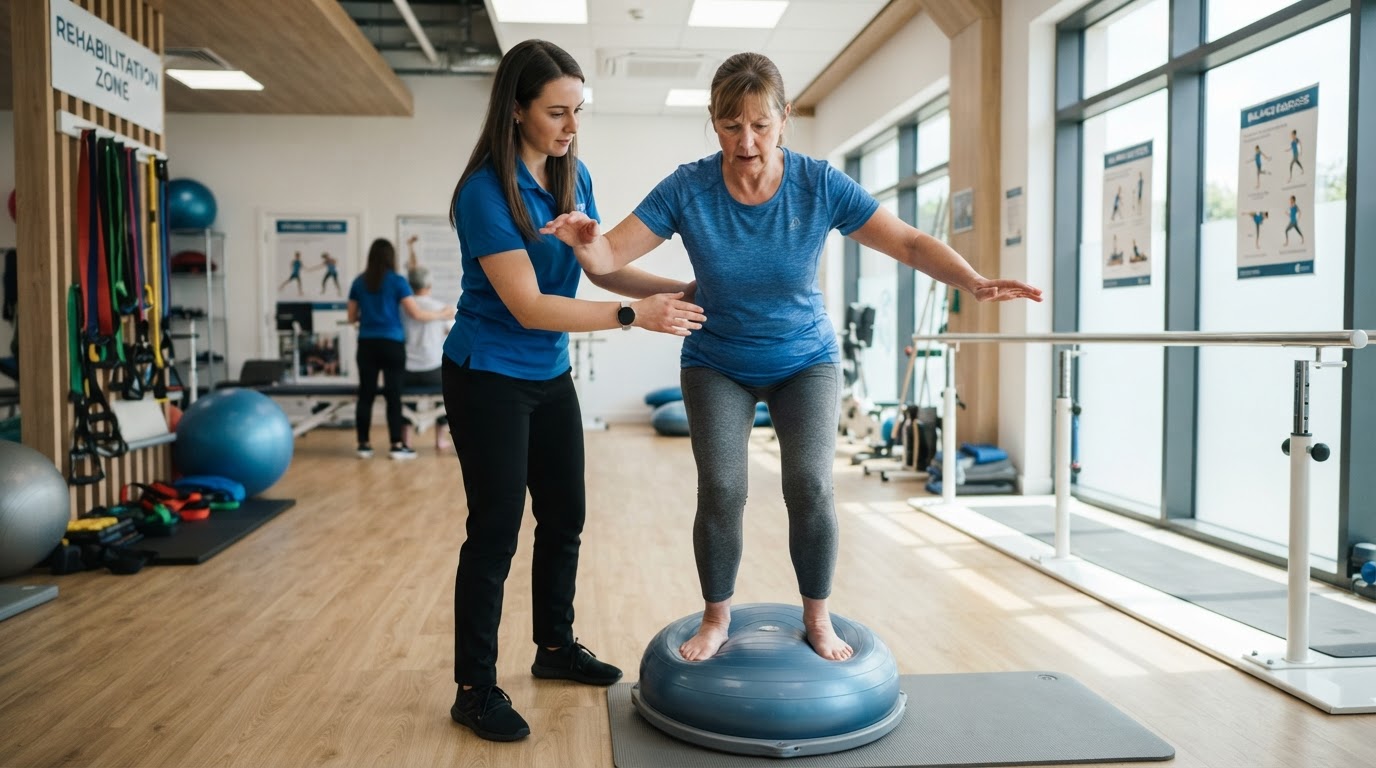
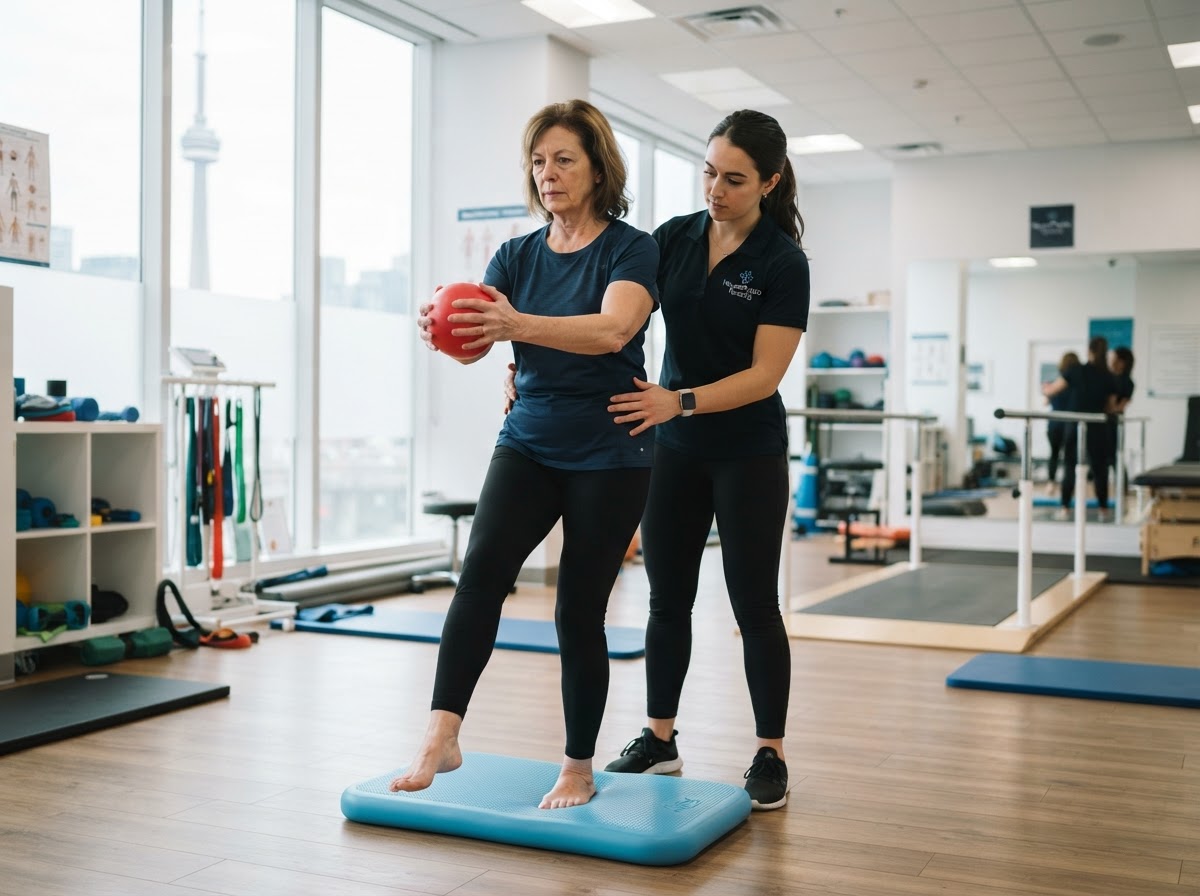
Because the cerebellum coordinates movement rather than generating it, therapy works by training the brain's accessory pathways and sensory systems to compensate for what the cerebellum can no longer regulate. We use Frenkel's coordination exercises — structured, progressively challenging movements performed slowly and with visual and proprioceptive feedback — together with weighted-vest stabilization, balance platforms and vestibular-visual integration drills that rebuild confidence in standing and walking.
Progress is gradual and requires consistent, repetitive practice. We focus on narrowing the base of support, reducing postural sway, smoothing limb movements and improving the ability to perform daily tasks without over-relying on assistive devices. For hereditary or progressive ataxia, therapy is maintenance-oriented: sustaining function and delaying decline rather than curing the condition.
What it may help with
Conditions We Treat
- Cerebellar ataxia from stroke, tumour or degeneration
- Hereditary ataxias (e.g., Friedreich's, spinocerebellar)
- Sensory ataxia from peripheral neuropathy or vitamin deficiency
- Wide-based, uncoordinated gait
- Intention tremor and dysmetria
- Postural instability and fall risk
Common Symptoms
- Wide-based uncoordinated gait
- Intention tremors & clumsiness
- Postural instability and sway
- Difficulty with fine motor skills
Relevant areas addressed
Cerebellar Coordination Network
The brain's movement-smoothing system, retrained through repetitive, feedback-rich exercises that recruit accessory pathways.
Lower Limb & Balance Chain
Ankle, hip and core strategies trained to narrow the base of support and reduce sway during standing and walking.
Proprioceptive Sensory System
Joint position sense re-educated with biofeedback and weighted resistance to improve body awareness.
Upper Extremity Coordination
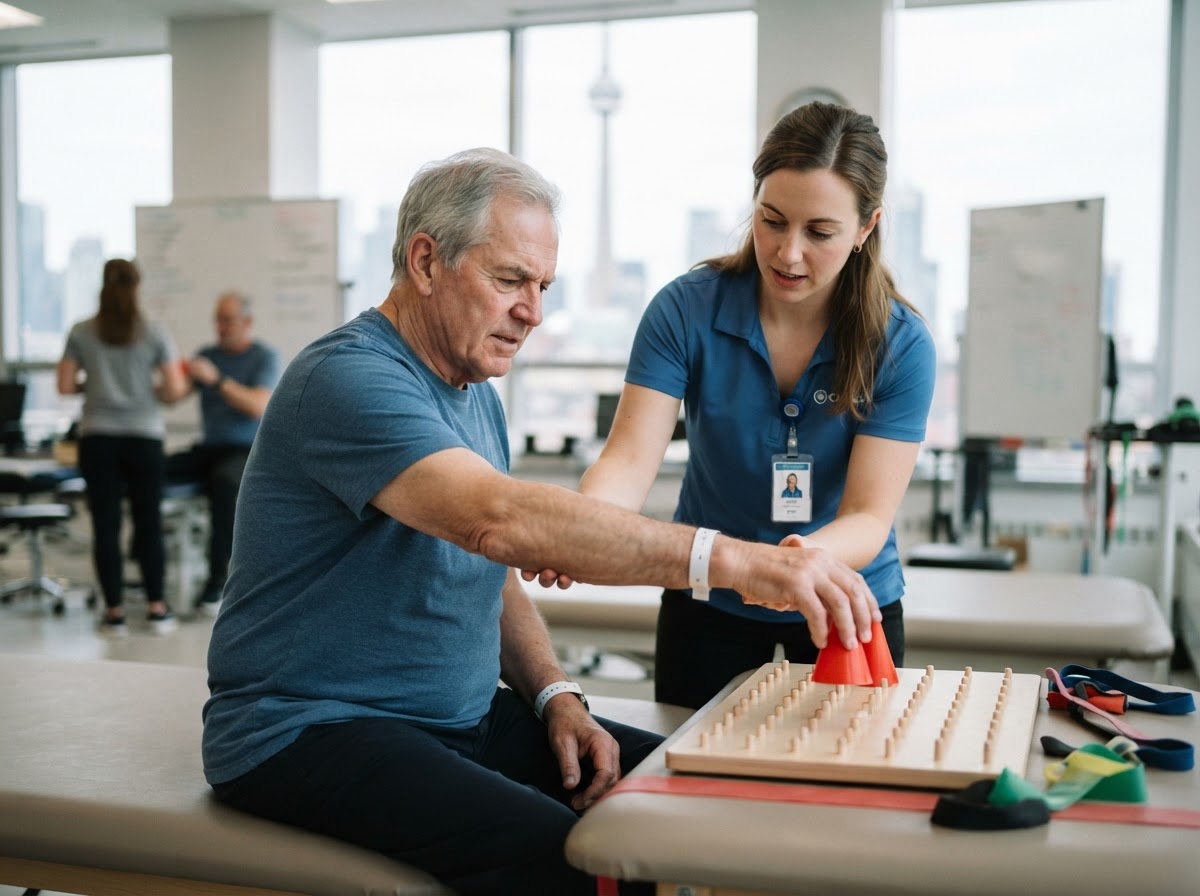
Arm and hand trained with Frenkel drills to reduce tremor and restore smooth, accurate reach and grasp.
Vestibular-Visual Integration
Balance sensors that integrate with the cerebellum to stabilize gaze and posture during movement.
Main treatment methods offered
Frenkel's coordination exercises
A targeted, evidence-based technique tailored to your assessment and progressed as your tolerance improves.
Proprioceptive biofeedback training
Delivered by a registered therapist and integrated with your broader rehabilitation plan.
Weighted vest & resistance stabilization
Combined with hands-on care and a structured home routine for lasting, functional results.
Vestibular-visual integration
Adjusted each session to your response so treatment stays effective and comfortable.
Realistic outcomes & limitations
What You Can Expect
Narrowed base of support
A realistic, evidence-supported outcome you can expect from consistent treatment and home adherence.
Reduced sway and fall risk
Most patients notice meaningful change within the first several sessions.
Improved motor smoothness
Sustained by the home program and periodic maintenance once the initial goals are met.
Enhanced confidence outdoors
Confirmed by objective re-measurement throughout your program.
Honest Limitations
- Results depend on consistent home exercise and adherence to the prescribed program.
- Acute inflammation, recent surgery or new symptoms may require modification or medical co-management.
- Outcomes vary by individual; we set realistic milestones after your initial assessment.
Assessment, duration & treatment process
Initial Assessment (45–60 minutes)
A comprehensive balance, coordination, gait and sensory evaluation. We identify the type and severity of ataxia and design a repetitive, feedback-rich program.
Treatment Sessions (30–60 minutes)
Sessions combine Frenkel coordination drills, weighted stabilization, balance platforms and gait training, all delivered with visual and proprioceptive feedback.
Ongoing Maintenance
For progressive ataxia, regular maintenance sustains function and delays decline; for acquired ataxia, we work toward measurable recovery milestones.
Precautions & possible side effects
Suitable For
- Patients with hereditary, cerebellar or acquired ataxia.
- People with balance instability or wide-based gait.
- Those experiencing intention tremor or clumsy limb control.
- Individuals seeking to reduce fall risk and rebuild walking confidence.
Precautions
- Progressive ataxia is managed for function, not cure; goals are realistic.
- Balance drills are closely spotted to prevent falls during training.
- Underlying causes (deficiency, medication) are addressed with your physician.
- Report rapid worsening or new neurological signs for medical review.
Common questions & booking
Ready to take your first step?
Book your initial consultation at One Step Ahead Mobility in Toronto. No referral required.
Take Your First Step Toward Lasting Relief
Every treatment at One Step Ahead Mobility begins with a thorough assessment and a clear, personalized plan. No referral required — direct billing available.