Chiropractic Care & Spinal Health
Hands-on spinal and joint care for posture, mobility, and pain — integrating adjustment, mobilization, and active rehab.
Chiropractic care is a regulated, evidence-based health discipline focused on the diagnosis, treatment, and prevention of musculoskeletal disorders, particularly those involving the spine, joints, muscles, and nervous system. At One Step Ahead Mobility, our chiropractor blends precise manual adjustments with mobilization, soft-tissue therapy, contemporary medical acupuncture, and personalized exercise prescription to address the root cause of your pain rather than simply chasing symptoms. The result is a comprehensive, conservative pathway back to comfortable, capable movement.

What it is & how it works
The spine is a mechanical and neurological centerpiece. It supports posture, transmits load from the head to the pelvis, protects the spinal cord, and serves as the conduit for the nerves that supply every limb. When joints in the spine become restricted, misaligned, or irritated — whether through poor posture, a sedentary lifestyle, trauma, or repetitive strain — the result can be local pain, referred pain into the arms or legs, muscle guarding, and reduced range of motion. Chiropractic care restores optimal joint mechanics so the nervous system can function without interference from stiff, inflamed, or irritated tissues.
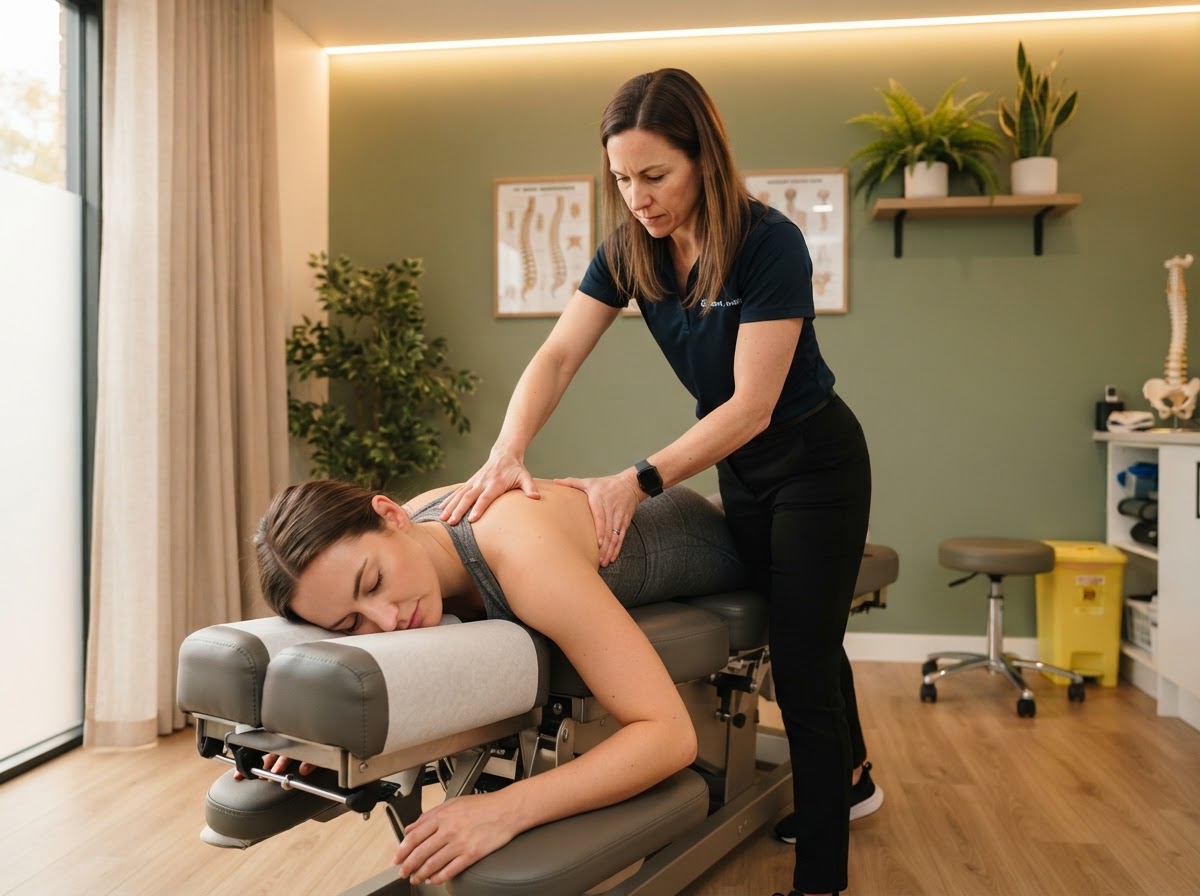
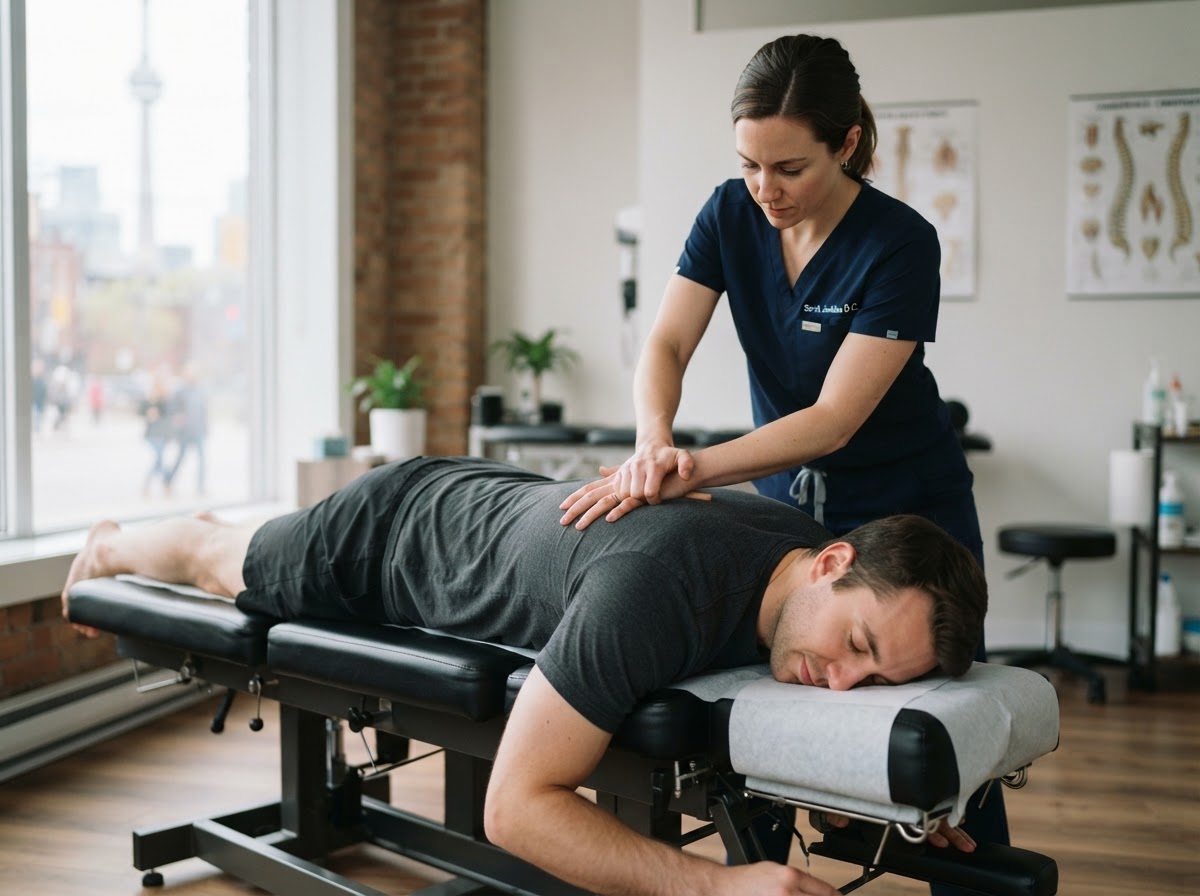
A spinal adjustment (spinal manipulation therapy) is a high-velocity, low-amplitude thrust applied to a specific joint to restore normal motion. The audible 'pop' you may hear is simply the release of dissolved gas from joint fluid — a mechanical event, not the cracking of bone. The therapeutic value comes from the immediate increase in joint mobility, a transient drop in local muscle tone, and changes in how the nervous system perceives pain from the area.
Modern chiropractic is not adjustment-only. Our approach is integrated: we use gentle mobilization for joints that need slow, rhythmic movement rather than a thrust; instrument-assisted soft-tissue work for scar tissue and fascial restriction; contemporary medical acupuncture for pain modulation and neuromuscular re-education; and a structured exercise program so the gains you make on the table last in the real world. We also perform custom orthotics casting and gait analysis when foot mechanics are the hidden driver of knee, hip, or back pain.
Chiropractors in Ontario are primary contact health professionals, which means you can book directly without a referral. We are trained to screen for red flags and to recognize when a complaint requires medical imaging, a different specialist, or co-management with your physiotherapy team. Our clinic is unique in offering seamless collaboration between chiropractic, physiotherapy, and registered massage therapy under one roof, so your care plan draws on whichever discipline best fits your presentation.
What it may help with
Conditions We Treat
- Acute and chronic lower back pain
- Neck pain, including whiplash and cervicogenic headaches
- Sciatica and nerve-root irritation
- Mid-back (thoracic) stiffness and pain
- Shoulder, hip, and knee joint dysfunction
- Postural syndromes and 'text neck' from prolonged device use
- Disc herniation and degenerative disc disease
- Lumbar spinal stenosis and facet joint irritation
- Motor-vehicle accident injuries (whiplash, concussion)
- Work-related (WSIB) repetitive strain and lifting injuries
Common Symptoms
- Dull, aching, or sharp back and neck pain
- Pain that radiates from the spine into a limb
- Stiffness that is worse in the morning or after sitting
- Headaches that originate at the base of the skull
- Reduced ability to turn the head or bend the spine
- Muscle tightness and trigger-point knots in the back or neck
- Pins-and-needles, numbness, or tingling in the arms or legs
- Pain that recurs every few months despite rest
Relevant areas addressed
Cervical Spine (Neck)
C1–C7 vertebrae, the atlanto-occipital and atlanto-axial joints, and the deep cervical flexors and suboccipitals that govern head posture and movement.
Thoracic Spine & Rib Cage
T1–T12 vertebrae and costovertebral joints that influence breathing mechanics, shoulder mobility, and referred upper-back pain.
Lumbar Spine & Pelvis
L1–L5 vertebrae, the lumbar facet joints, and the sacroiliac joints that transfer load between the spine and the legs.
Paraspinal & Global Musculature
Erector spinae, multifidus, quadratus lumborum, and the deep core that stabilize the spine under load.
Extremity Joints
Shoulder, hip, and knee joints, where chiropractic mobilization and orthotic support address referred and biomechanical dysfunction.
Main treatment methods offered
Diversified Spinal Adjustment
Precise high-velocity, low-amplitude thrusts that restore restricted joint motion and reduce local pain-generating irritation.
Joint Mobilization
Slow, graded oscillations applied to stiff joints to improve range of motion when a thrust is not indicated.
Contemporary Medical Acupuncture
Evidence-based needling of motor points and trigger points to modulate pain, reduce muscle hypertonicity, and improve neuromuscular control.
Instrument-Assisted Soft Tissue Mobilization
Targeted scraping instruments that break down adhesions and stimulate collagen remodeling in tendons and fascia.
Custom Orthotics & Gait Analysis
Biomechanical assessment and casting for custom orthotic devices that correct foot mechanics driving upstream pain.
Corrective Exercise & Postural Rehab
Individualized strengthening and mobility drills that lock in adjustment gains and prevent recurrence.
Realistic outcomes & limitations
What You Can Expect
Rapid Pain Reduction
Many patients experience measurable relief within the first few visits as joint mobility is restored and protective muscle guarding quiets.
Improved Range of Motion
Restored segmental motion in the spine translates to smoother turning, bending, and reaching in daily life and sport.
Fewer Recurrent Episodes
Combining hands-on care with corrective exercise addresses the underlying driver of recurring pain rather than offering temporary relief.
Whole-Body Functional Gains
Better posture, reduced headache frequency, and improved nerve mobility translate to better performance at work and in activity.
Honest Limitations
- Acute fractures, active infection, or instability require medical co-management; we screen for these and refer appropriately.
- Severe neurological deficit (progressive weakness, saddle anesthesia, or bowel/bladder changes) is a medical emergency requiring immediate imaging, not adjustment.
- Chiropractic is conservative care; it complements but does not replace necessary surgical or medical treatment.
Assessment, duration & treatment process
Initial Assessment (45–60 minutes)
Detailed history, orthopedic and neurological examination, postural analysis, and movement screening. We may refer for imaging if red flags are present. You receive a clear diagnosis and a proposed care plan including the expected number of visits.
Treatment Sessions (30–60 minutes)
Each visit includes hands-on adjustment or mobilization, soft-tissue work as needed, and a review of your prescribed exercises. Short, focused, effective — most visits are scheduled 2–3 times per week initially, then taper as you stabilize.
Re-evaluation & Maintenance
Progress is formally re-assessed every 4–6 weeks. Once your goals are met, we offer optional wellness or maintenance visits to prevent recurrence.
Precautions & possible side effects
Suitable For
- Adults with acute or chronic spinal and joint pain.
- Office workers with postural strain and recurrent headaches.
- Athletes recovering from injury or seeking performance optimization.
- Post-MVA and WSIB patients needing coordinated conservative care.
- Most age groups, with technique selection tailored to the individual.
Precautions
- Adjustment is avoided or modified in osteoporosis, advanced arthritis, acute fractures, and certain vascular conditions.
- Pregnant patients are treated with modified, gentle techniques after the first trimester.
- We obtain informed consent before every adjustment and will always offer mobilization as a gentler alternative.
- Any new or worsening neurological symptoms must be reported immediately for reassessment.
Common questions & booking
Ready to take your first step?
Book your initial consultation at One Step Ahead Mobility in Toronto. No referral required.
Take Your First Step Toward Lasting Relief
Every treatment at One Step Ahead Mobility begins with a thorough assessment and a clear, personalized plan. No referral required — direct billing available.