Multiple Sclerosis (MS) Physiotherapy
Neuro-plasticity targeted exercises to preserve mobility, boost energy, and reduce spasticity
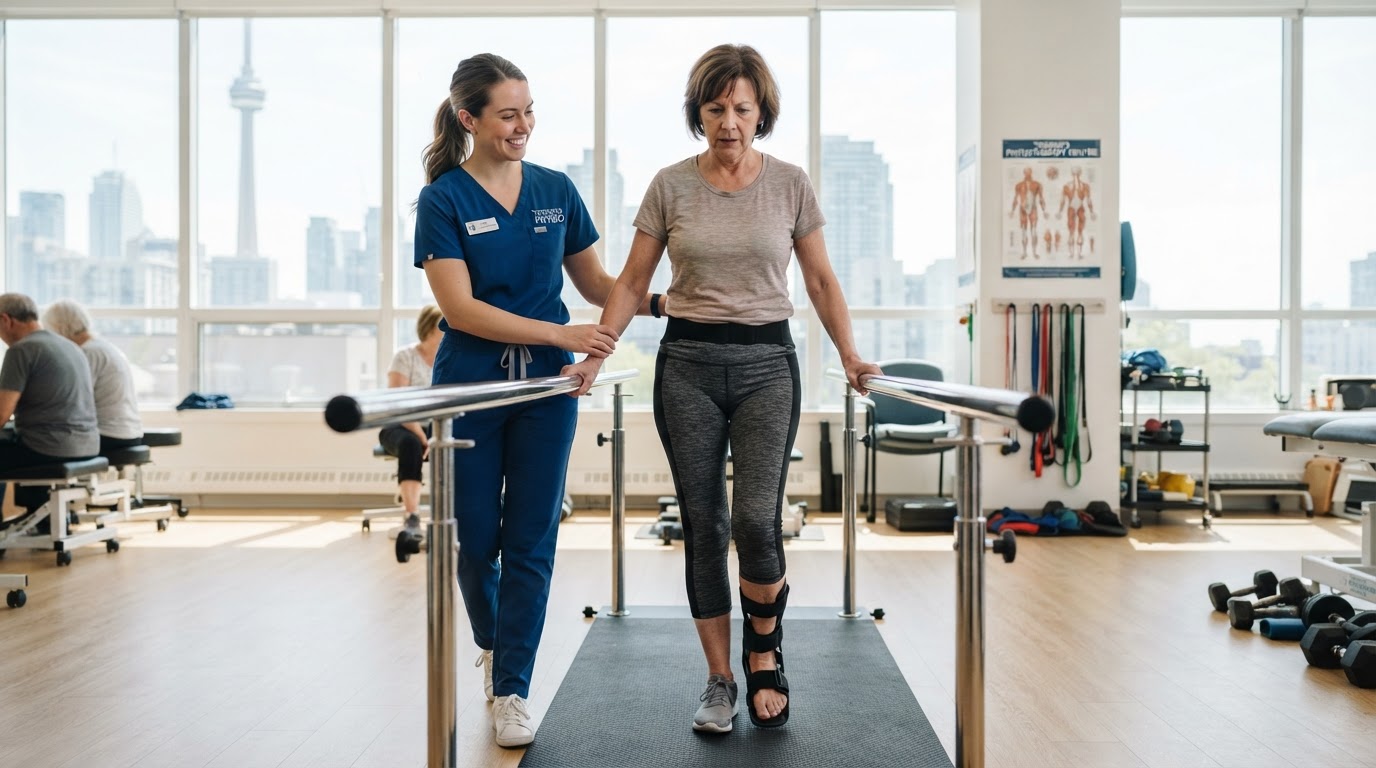
Our MS physiotherapy program focuses on motor relearning, fatigue management, gait re-education, and spasticity management using evidence-based neurological protocols.

What it is & how it works
Multiple Sclerosis is a chronic autoimmune condition in which the immune system attacks the protective myelin sheath around nerve fibres in the central nervous system, disrupting the signals between the brain and the body. The result is a highly variable pattern of fatigue, weakness, numbness, spasticity, balance loss and reduced walking tolerance that changes from person to person — and often from week to week. Physiotherapy does not alter the disease process, but it is one of the most consistently effective conservative tools for preserving independence and quality of life.
Our MS program is built on the principle of neuro-plasticity — the nervous system's ability to rewire and adapt around damaged areas. Through carefully dosed aerobic conditioning, resistance training, balance re-education and gait retraining, we help you build a resilient reserve of strength and coordination that buffers you against future relapses. Every program is temperature-monitored, because heat sensitivity can transiently worsen MS symptoms (Uhthoff's phenomenon), and we pace exertion to avoid triggering fatigue.
Treatment is progressive and individualized. Early in the disease course the focus may be on building capacity and preventing deconditioning; later it shifts toward compensatory strategies, energy conservation, fall-risk reduction and assisted mobility. We coordinate closely with your neurologist and MS nurse so your rehab plan aligns with your medication schedule, relapse history and functional goals.
What it may help with
Conditions We Treat
- Relapsing-remitting, secondary progressive, and primary progressive MS
- MS-related fatigue and heat intolerance (Uhthoff's phenomenon)
- Spasticity and muscle stiffness
- Gait disturbance and reduced walking endurance
- Balance deficits and increased fall risk
- Sensory loss and proprioceptive impairment
- Decreased functional independence in daily activities
Common Symptoms
- Muscle weakness and fatigue
- Gait instability & loss of balance
- Spasticity and muscle stiffness
- Heat sensitivity & sensory loss
Relevant areas addressed
Lower Limb & Gait Musculature
Quadriceps, hamstrings, calves and hip stabilizers that govern walking speed, stride length and stair tolerance.
Core & Postural Musculature
Deep abdominals and lumbar stabilizers that maintain upright posture and transfer power during movement.
Upper Extremity & Fine Motor Group
Shoulder, arm and hand muscles addressed for coordination, reach and the ability to perform household and self-care tasks.
Cerebellar & Vestibular Balance Systems
The coordination centres that regulate balance, reaction time and the ability to recover from a loss of balance.
Spastic Muscle Chains
Tight, overactive muscle groups in the legs and hips that are lengthened and down-trained to restore joint range.
Main treatment methods offered
Aerobic conditioning & resistance training
A targeted, evidence-based technique tailored to your assessment and progressed as your tolerance improves.
Gait & balance retraining
Delivered by a registered therapist and integrated with your broader rehabilitation plan.
Spasticity reduction stretching
Combined with hands-on care and a structured home routine for lasting, functional results.
Energy conservation strategies
Adjusted each session to your response so treatment stays effective and comfortable.
Realistic outcomes & limitations
What You Can Expect
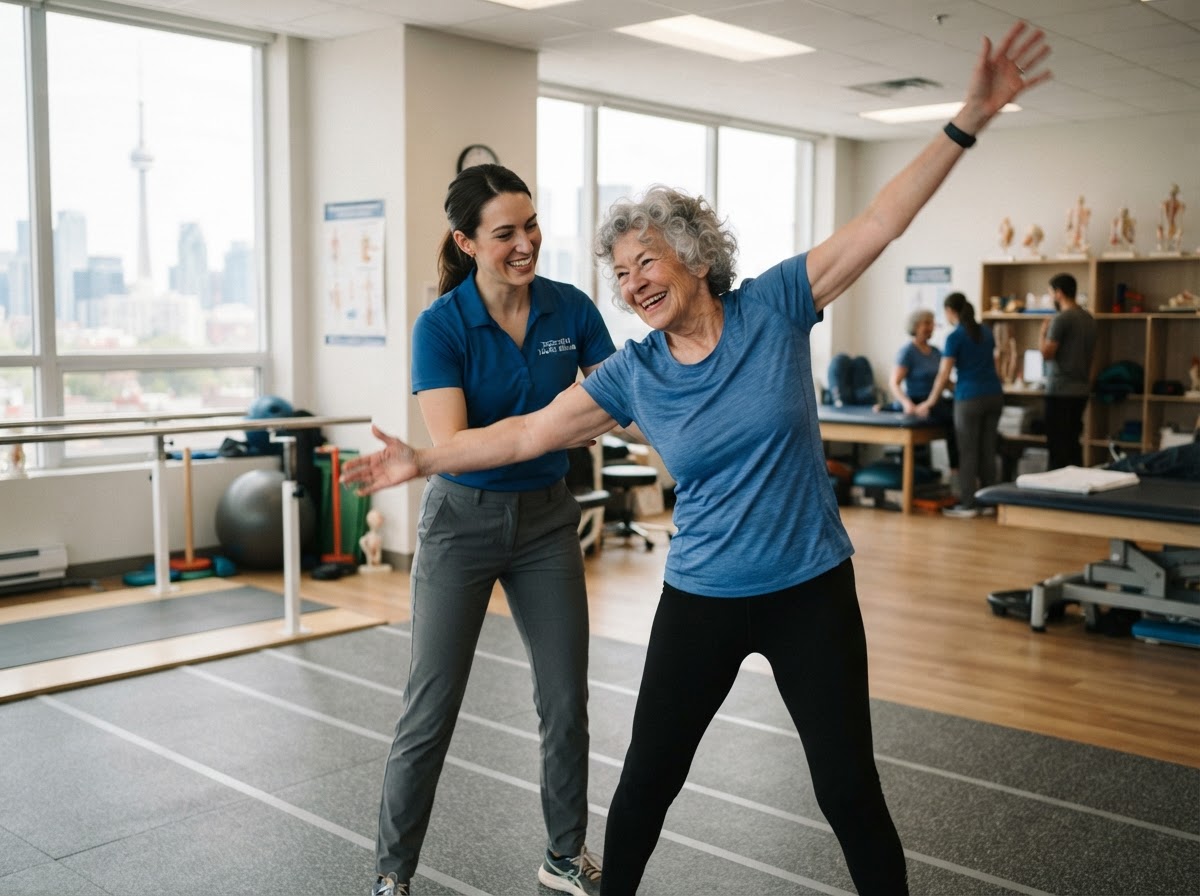
Maintained walking endurance
A realistic, evidence-supported outcome you can expect from consistent treatment and home adherence.
Decreased fall risk
Most patients notice meaningful change within the first several sessions.
Improved balance and transfer ability
Sustained by the home program and periodic maintenance once the initial goals are met.
Better energy management
Confirmed by objective re-measurement throughout your program.
Honest Limitations
- Results depend on consistent home exercise and adherence to the prescribed program.
- Acute inflammation, recent surgery or new symptoms may require modification or medical co-management.
- Outcomes vary by individual; we set realistic milestones after your initial assessment.
Assessment, duration & treatment process
Initial Assessment (45–60 minutes)
A detailed neurological and musculoskeletal assessment of strength, tone, sensation, balance, gait and fatigue. We discuss your relapse history, medication, heat sensitivity and personal goals, then build a paced, temperature-aware program.
Treatment Sessions (30–60 minutes)
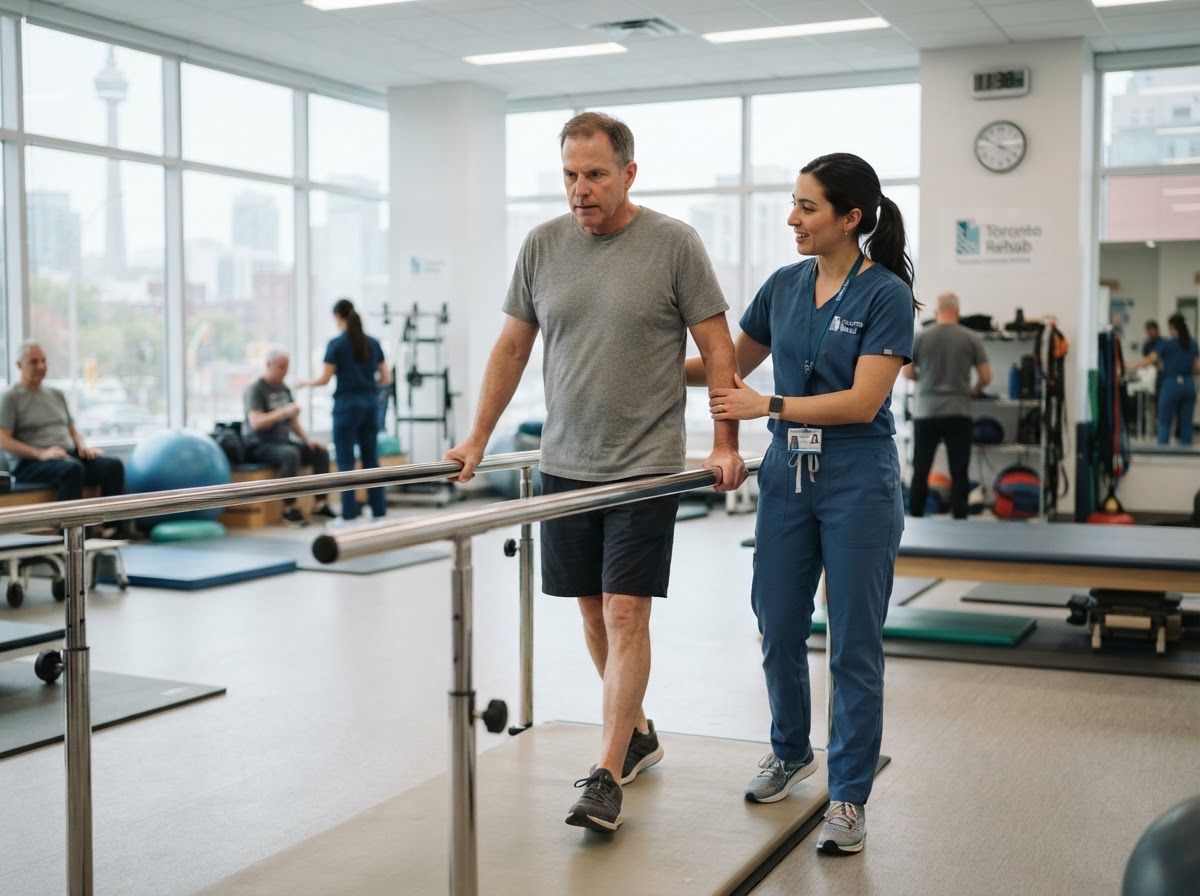
Each session blends aerobic and resistance work with balance, gait and stretch components. Intensity is monitored and adjusted to avoid overheating and post-treatment fatigue, with a clear take-home routine.
Progression & Re-assessment
We re-measure walking endurance (such as the 6-minute walk), balance and fall risk every 4–6 weeks, scaling the program and adding assistive strategies as your needs evolve.
Precautions & possible side effects
Suitable For
- Adults with relapsing-remitting or progressive forms of MS.
- Patients wanting to preserve walking ability and reduce fall risk.
- People in relapse recovery or stable disease seeking to build strength reserve.
- Those managing MS-related fatigue and spasticity with their neurology team.
Precautions
- Treatment is paused or lightened during an active relapse until cleared by your neurologist.
- Heat-sensitive patients are treated in a cooled environment with hydration breaks.
- Severe spasticity or contractures may require co-management with your physician for medication.
- Report new neurological symptoms immediately so we can coordinate medical review.
Common questions & booking
Ready to take your first step?
Book your initial consultation at One Step Ahead Mobility in Toronto. No referral required.
Take Your First Step Toward Lasting Relief
Every treatment at One Step Ahead Mobility begins with a thorough assessment and a clear, personalized plan. No referral required — direct billing available.