Pelvic Floor Physiotherapy
Specialized, private rehabilitation for pelvic pain, incontinence, postpartum recovery, and neurogenic bladder.
Pelvic floor physiotherapy is a focused branch of physical therapy that assesses and treats the muscles, connective tissues, and nerves of the pelvic region. These structures form a supportive hammock at the base of the pelvis and play a central role in bladder and bowel control, postural stability, sexual function, and core mechanics. At One Step Ahead Mobility, our pelvic health therapists provide discreet, evidence-based care for people of all genders and ages, addressing concerns that are often underdiagnosed yet highly responsive to conservative treatment.
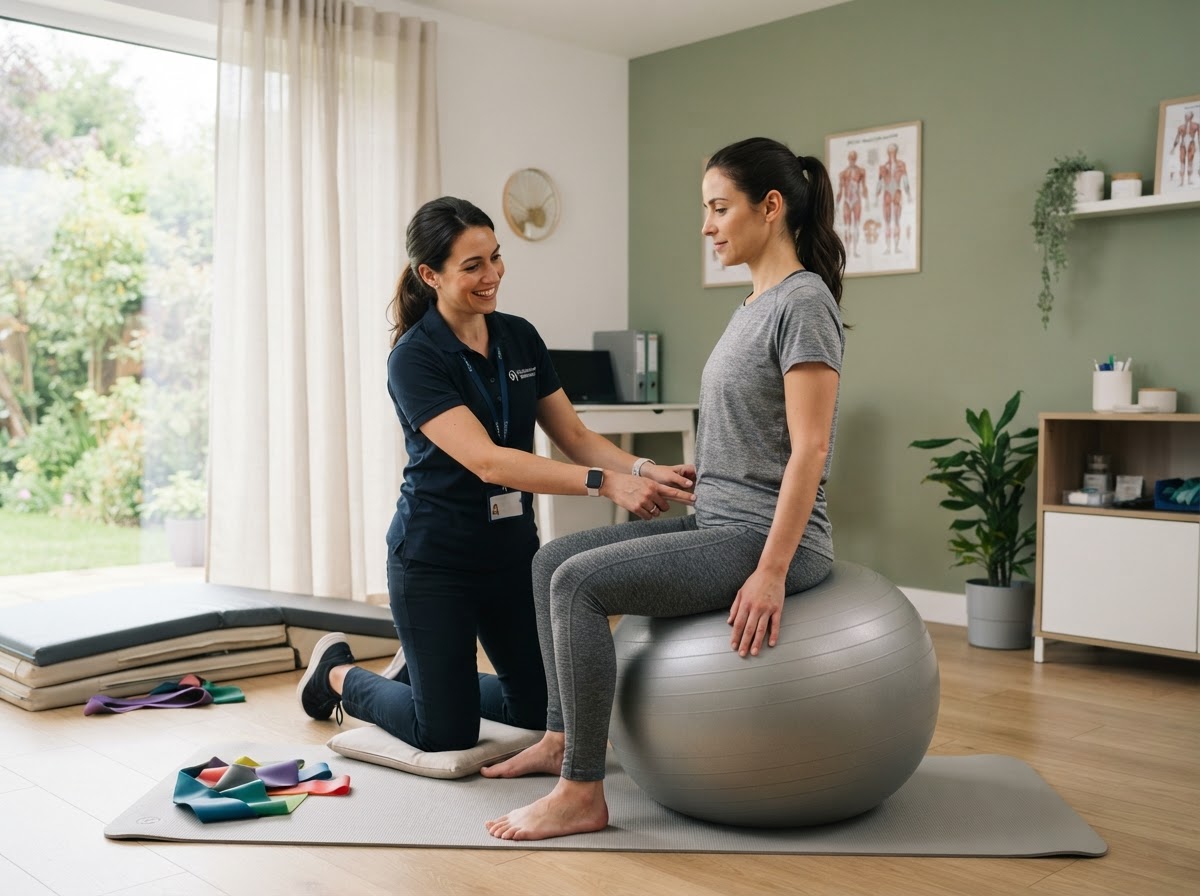

What it is & how it works
The pelvic floor is not a single muscle but a dynamic diaphragm of interlacing fibers including the levator ani, coccygeus, and deep external rotator group. When these muscles are weak, overactive, or poorly coordinated, the symptoms can be remarkably varied: leakage with coughing, urgency to urinate, pelvic heaviness, pain with intercourse, or low back and hip discomfort that never fully resolves. Pelvic floor physiotherapy works by restoring the strength, endurance, coordination, and relaxation of these muscles so that they function as a responsive, well-timed support system rather than a source of pain or dysfunction.
Treatment is built around a full musculoskeletal and neurological assessment. Your physiotherapist evaluates posture, breathing patterns, hip and lumbar spine mobility, and the coordination of the deep core cylinder — the relationship between the diaphragm at the top, the abdominal muscles around the sides, and the pelvic floor at the base. When this system is balanced, intra-abdominal pressure is managed efficiently and the pelvic floor is neither overloaded nor neglected.
Because pelvic floor dysfunction frequently overlaps with neurological conditions such as Multiple Sclerosis, Parkinson's disease, and spinal cord compression, our program integrates neuro-rehabilitation principles alongside traditional pelvic health techniques. We also have deep experience supporting postpartum recovery, post-surgical rehab (including after hysterectomy or prostate surgery), and aging-related changes in tissue integrity. Every program is individualized — there is no one-size-fits-all protocol — and progresses at a pace that respects your comfort and clinical presentation.
Education is a cornerstone of the approach. Most patients arrive having never been taught how to correctly locate, contract, or relax their pelvic floor muscles. We use precise cueing, real-time feedback, and guided motor-learning drills so that the exercises you do in clinic transfer directly into confident, pain-free movement in daily life. The goal is durable self-management, not lifelong dependence on passive treatment.
What it may help with
Conditions We Treat
- Stress urinary incontinence (leakage with coughing, sneezing, or activity)
- Urge incontinence and overactive bladder
- Pelvic organ prolapse and sensations of heaviness or dragging
- Postpartum recovery including diastasis recti and perineal healing
- Chronic pelvic pain and pudendal neuralgia
- Pain with intercourse (dyspareunia) and vaginismus
- Neurogenic bladder and bowel related to MS, Parkinson's, or spinal conditions
- Post-prostatectomy and post-hysterectomy rehabilitation
- Coccyx (tailbone) pain and sacroiliac joint dysfunction
Common Symptoms
- Leaking urine when laughing, coughing, jumping, or lifting
- A sudden, hard-to-control urge to urinate
- Frequent urination or waking multiple times overnight
- A feeling of pressure, bulging, or heaviness in the pelvic region
- Pain in the lower abdomen, groin, perineum, or tailbone
- Discomfort or pain during or after intercourse
- Difficulty initiating urination or incomplete emptying
- Lower back, hip, or pelvic pain that has not resolved with general treatment
Relevant areas addressed
Levator Ani & Pelvic Diaphragm
The primary support sling — including the pubococcygeus, puborectalis, and iliococcygeus — assessed for strength, endurance, and coordination.
Deep Core Cylinder
The integrated team of diaphragm, transverse abdominis, multifidus, and pelvic floor that manages intra-abdominal pressure.
Hip Stabilizers & Gluteal Group
Gluteus medius, minimus, and deep external rotators that share fascial and neurological connections with the pelvic floor.
Lumbar Spine & Sacroiliac Joints
L4–S2 segments and the SI joints, where nerve roots and joint mechanics directly influence pelvic function.
Obturator Internus & Piriformis
Deep lateral rotators that frequently refer pain into the pelvis and can become hypertonic in pelvic pain presentations.
Main treatment methods offered
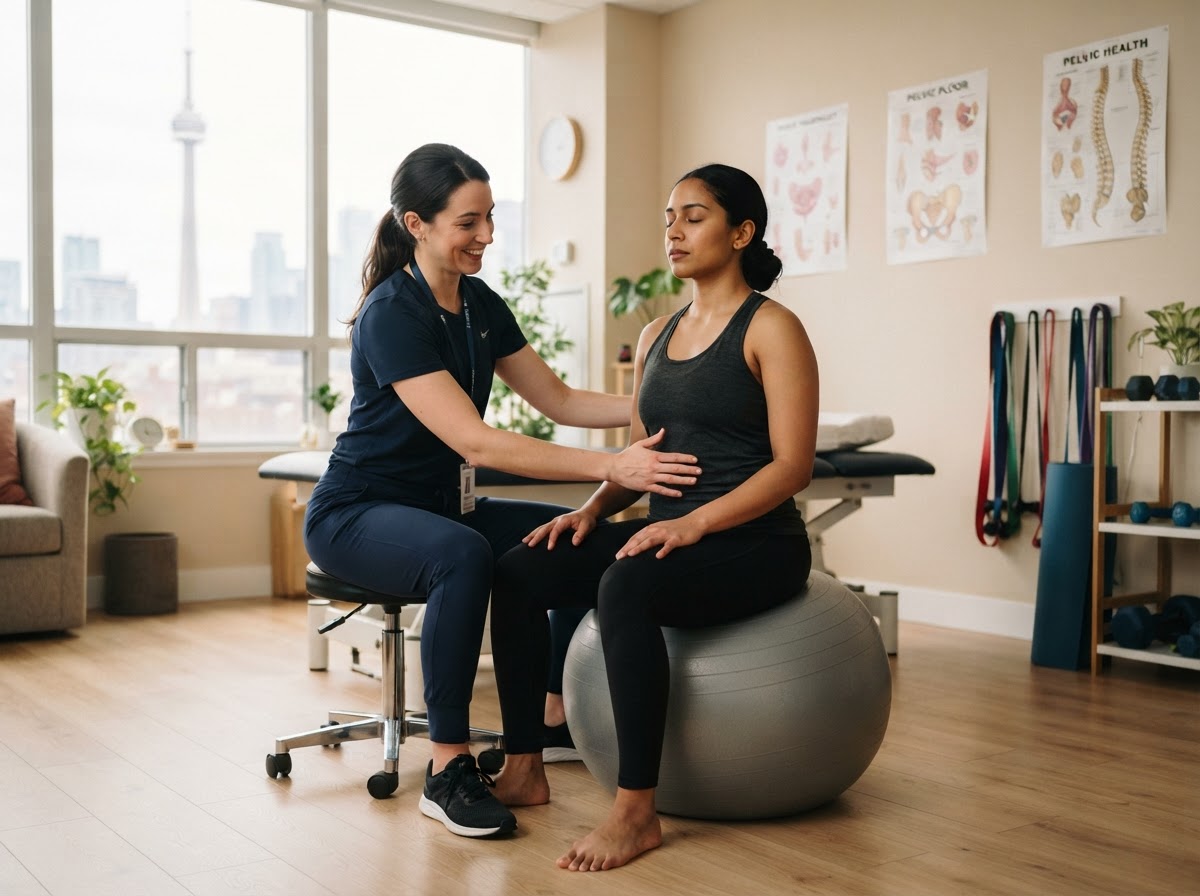
Pelvic Floor Muscle Re-education
Precise, supervised activation and relaxation drills using both internal and external assessment methods to restore coordination and reduce overactivity.
Biofeedback & Motor Control Training
Real-time feedback that helps you see and feel the difference between an effective contraction, an overcompensation, and a full release.
Manual Therapy & Myofascial Release
Hands-on mobilization of restricted connective tissue, scar tissue, and hypertonic muscles around the hips, abdomen, and pelvis.
Diastasis & Core Synergy Progression
Staged loading of the abdominal wall and deep core to close diastasis recti gaps and rebuild pressure management safely.
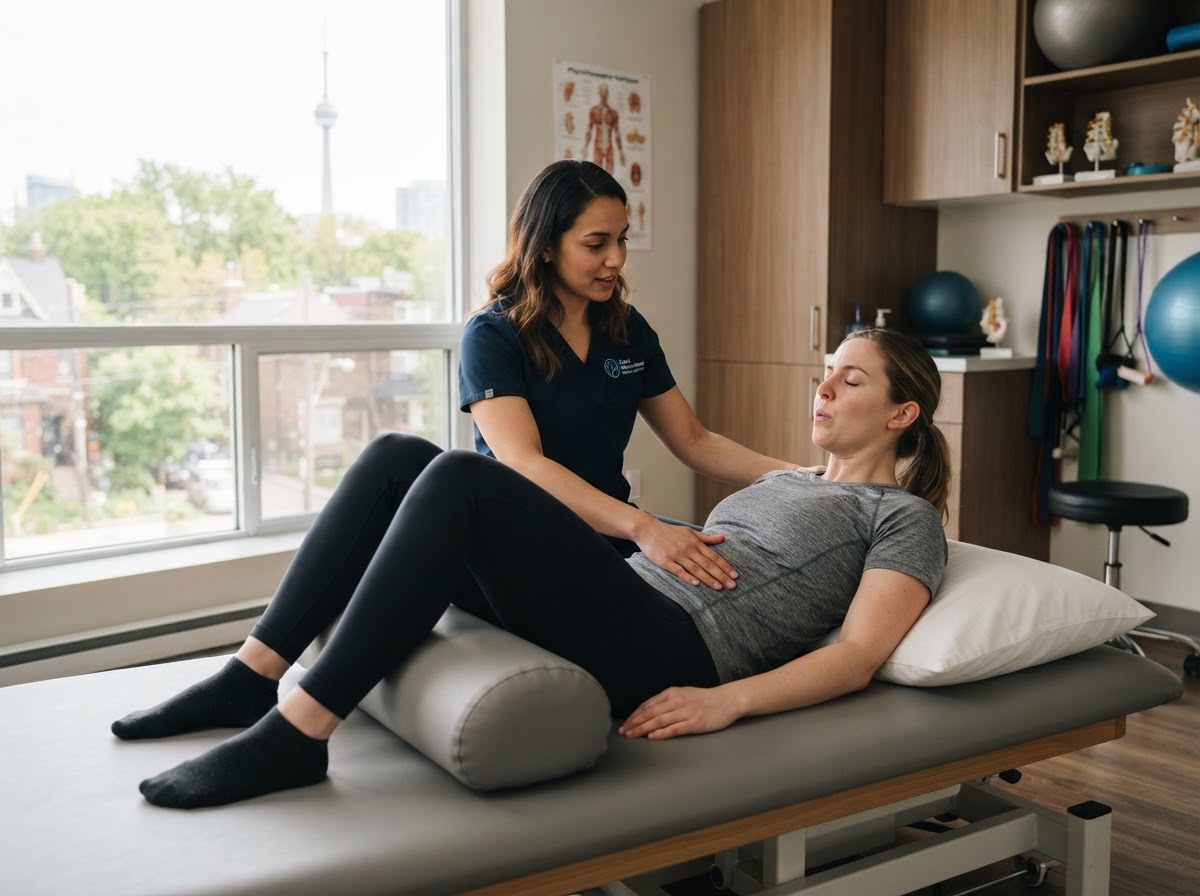
Breathing & Pressure-System Retraining
Coordination of diaphragmatic breathing with pelvic floor engagement to eliminate breath-holding and bracing patterns.
Functional & Postural Integration
Task-specific drills — lifting, squatting, coughing, returning to sport — so pelvic control transfers into real life.
Realistic outcomes & limitations
What You Can Expect
Dramatically Improved Bladder & Bowel Control
Research consistently shows that supervised pelvic floor training reduces stress and urge incontinence episodes by 70–90% in motivated patients.
Reduced Pelvic Pain & Tension
Down-training overactive muscles and releasing restricted tissue lowers chronic pain levels and restores comfortable movement.
Stronger, Coordinated Core
A retrained pelvic floor and deep core improve lifting safety, posture, and athletic performance while protecting the spine.
Confidence in Daily Activity
Patients return to running, lifting, travel, and intimacy without the fear of leakage or pain that limited them before.
Honest Limitations
- Severe pelvic organ prolapse with significant anatomical descent may require combined care with a physician or, in advanced cases, surgical consultation.
- Neurogenic dysfunction related to progressive disease is managed for function and symptom control rather than cure; maintenance sessions are often part of the plan.
- Results depend on consistent home exercise adherence; passive treatment alone rarely produces lasting change.
Assessment, duration & treatment process
Initial Assessment (45–60 minutes)
A thorough, private conversation about your history and goals, followed by a physical assessment of posture, hip and spine mobility, core coordination, and — with your informed consent — pelvic floor function. We explain every step before we begin and you may decline any part of the exam at any time.
Treatment Sessions (30–60 minutes)
Each visit combines hands-on manual therapy, supervised exercise, and education. You will leave with a clear, written home program of 2–3 targeted exercises, typically performed twice daily for a few minutes.
Progression & Re-assessment
We re-measure strength, control, and symptom frequency every 4–6 weeks to confirm progress and update the program. Most patients attend 6–10 sessions over 2–4 months, though timelines are individualized.
Precautions & possible side effects
Suitable For
- Adults and seniors of all genders experiencing any of the conditions listed above.
- Postpartum individuals (cleared or at least 6 weeks after delivery, though earlier assessment is possible for persistent symptoms).
- People with neurological conditions affecting bladder or pelvic control.
- Athletes and active individuals with stress incontinence or core dysfunction.
Precautions
- Active urinary tract infections or untreated pelvic infections should be resolved with your physician first.
- Heavy vaginal bleeding, suspected ectopic pregnancy, or new acute pelvic masses require medical evaluation prior to physiotherapy.
- Immediately post-surgery, we coordinate with your surgeon and wait for appropriate clearance before beginning internal assessment.
- We always obtain explicit, ongoing consent for any internal examination; non-internal treatment is always available.
Common questions & booking
Ready to take your first step?
Book your initial consultation at One Step Ahead Mobility in Toronto. No referral required.
Take Your First Step Toward Lasting Relief
Every treatment at One Step Ahead Mobility begins with a thorough assessment and a clear, personalized plan. No referral required — direct billing available.