Cervical Spine & Neck Pain Relief
Relieving posture strain, pinched nerves, whiplash, and cervicogenic headaches
Targeted spinal manual therapy, cervical traction, deep neck flexor strengthening, and ergonomic posture re-education.
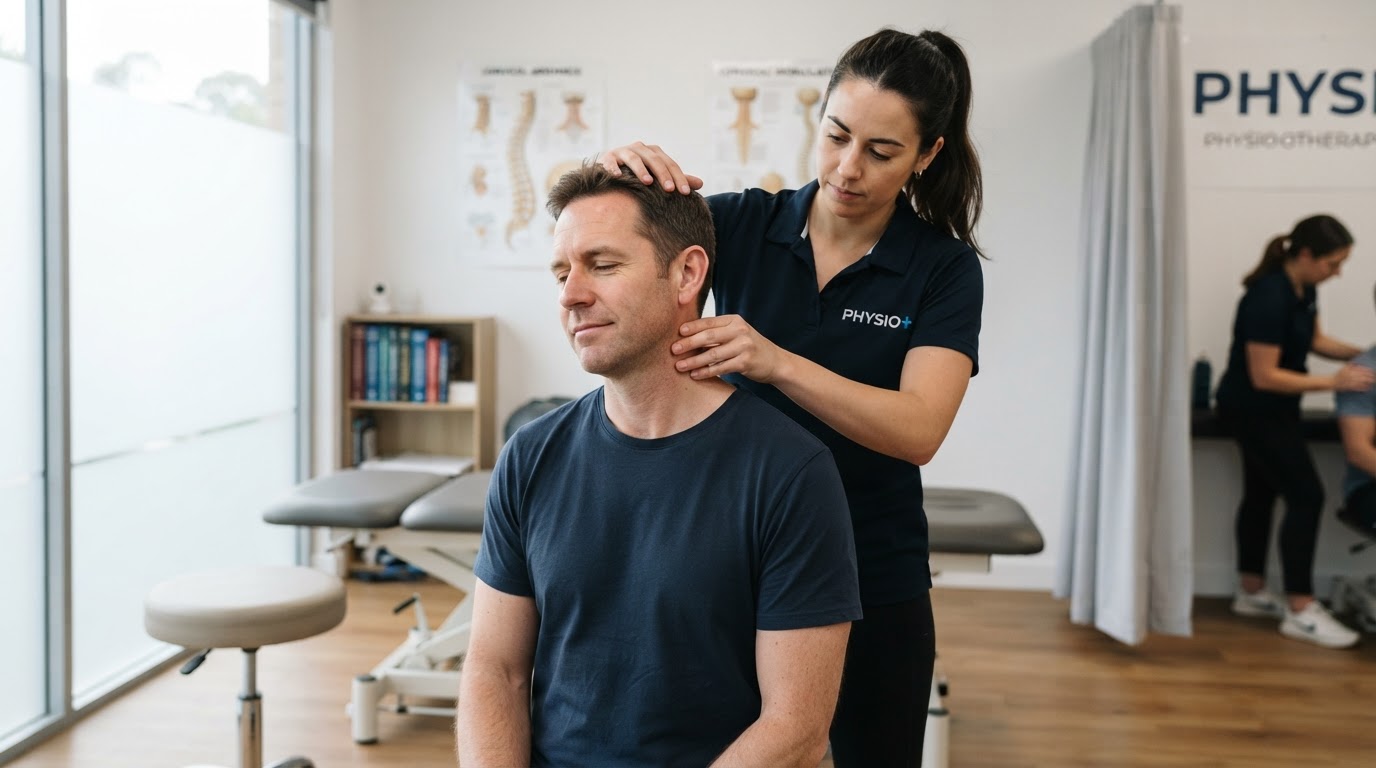

What it is & how it works
Neck pain is among the most common musculoskeletal complaints, driven by prolonged desk and device use ('text neck'), poor sleep posture, whiplash from motor-vehicle accidents, and age-related cervical degeneration. It ranges from a stiff, aching discomfort to radiating pain, numbness and headaches that travel from the base of the skull.
Our cervical program targets the whole neck: gentle spinal mobilization to restore segmental range, manual traction to relieve nerve root compression, deep neck flexor retraining to rebuild the stabilizing muscles at the front of the neck, and ergonomic coaching to correct the posture that sustains the pain. We also address the thoracic spine and shoulders, because restricted upper-back mobility is a frequent hidden driver of neck strain.
Most patients feel noticeable stiffness relief within one to three sessions, with full range and resolution of radiating symptoms following over a structured course. We equip you with a posture and mobility routine so the relief lasts — particularly important for office workers and commuters whose daily habits otherwise recreate the problem.
What it may help with
Conditions We Treat
- Mechanical neck pain and stiffness
- Cervicogenic and tension headaches
- Whiplash and post-MVA neck injury
- Cervical radiculopathy (nerve root pain)
- Postural 'text neck' strain
- Cervical disc degeneration
Common Symptoms
- Stiff neck & turning restrictions
- Radiating numbness into shoulder/arm
- Postural text-neck strain
- Headaches starting at back of neck
Relevant areas addressed
Cervical Spine Segments
The C1–C7 joints mobilized to restore turning, nodding and full looking-over-the-shoulder range.
Deep Neck Flexors
The stabilizing muscles at the front of the neck retrained to support posture and reduce strain.
Suboccipital & Upper Trapezius
Tight posterior muscles released to relieve tension-type and cervicogenic headaches.
Thoracic Spine
The upper-back region mobilized, because restricted thoracic motion forces the neck to overwork.
Main treatment methods offered
Gentle cervical spinal mobilization
A targeted, evidence-based technique tailored to your assessment and progressed as your tolerance improves.
Manual cervical traction
Delivered by a registered therapist and integrated with your broader rehabilitation plan.
Deep neck flexor retraining
Combined with hands-on care and a structured home routine for lasting, functional results.
Ergonomic workspace setup
Adjusted each session to your response so treatment stays effective and comfortable.
Realistic outcomes & limitations
What You Can Expect
Full neck range of motion
A realistic, evidence-supported outcome you can expect from consistent treatment and home adherence.
Resolution of radiating arm tingling
Most patients notice meaningful change within the first several sessions.
Decreased headache frequency
Sustained by the home program and periodic maintenance once the initial goals are met.
Honest Limitations
- Results depend on consistent home exercise and adherence to the prescribed program.
- Acute inflammation, recent surgery or new symptoms may require modification or medical co-management.
- Outcomes vary by individual; we set realistic milestones after your initial assessment.
Assessment, duration & treatment process
Initial Assessment (45–60 minutes)
A cervical and neurological exam of range, strength, nerve signs and posture to identify the source of pain.
Treatment Sessions (30–60 minutes)
Gentle mobilization, traction, soft-tissue release and deep-flexor retraining, with ergonomic and postural coaching.
Posture & Ergonomics
We build a home mobility and posture routine and review your workspace setup so relief becomes lasting.
Precautions & possible side effects
Suitable For
- Office workers and commuters with postural neck strain.
- Post-MVA whiplash patients.
- People with cervicogenic or tension headaches.
- Those with radiating arm pain from cervical nerve root irritation.
Precautions
- Severe radiating symptoms or weakness prompt medical imaging.
- Red flags (dizziness, drop attacks) are referred urgently.
- Mobilization is gentle and progressed only as tolerated.
- Posture coaching is essential to prevent recurrence.
Common questions & booking
Ready to take your first step?
Book your initial consultation at One Step Ahead Mobility in Toronto. No referral required.
Take Your First Step Toward Lasting Relief
Every treatment at One Step Ahead Mobility begins with a thorough assessment and a clear, personalized plan. No referral required — direct billing available.