Pelvic Floor Neurological Rehabilitation
Specialized care for neurogenic bladder, incontinence, and pelvic organ support
Targeted pelvic health therapy tailored for individuals dealing with neurological conditions like MS, Parkinson's, or spinal cord compression.
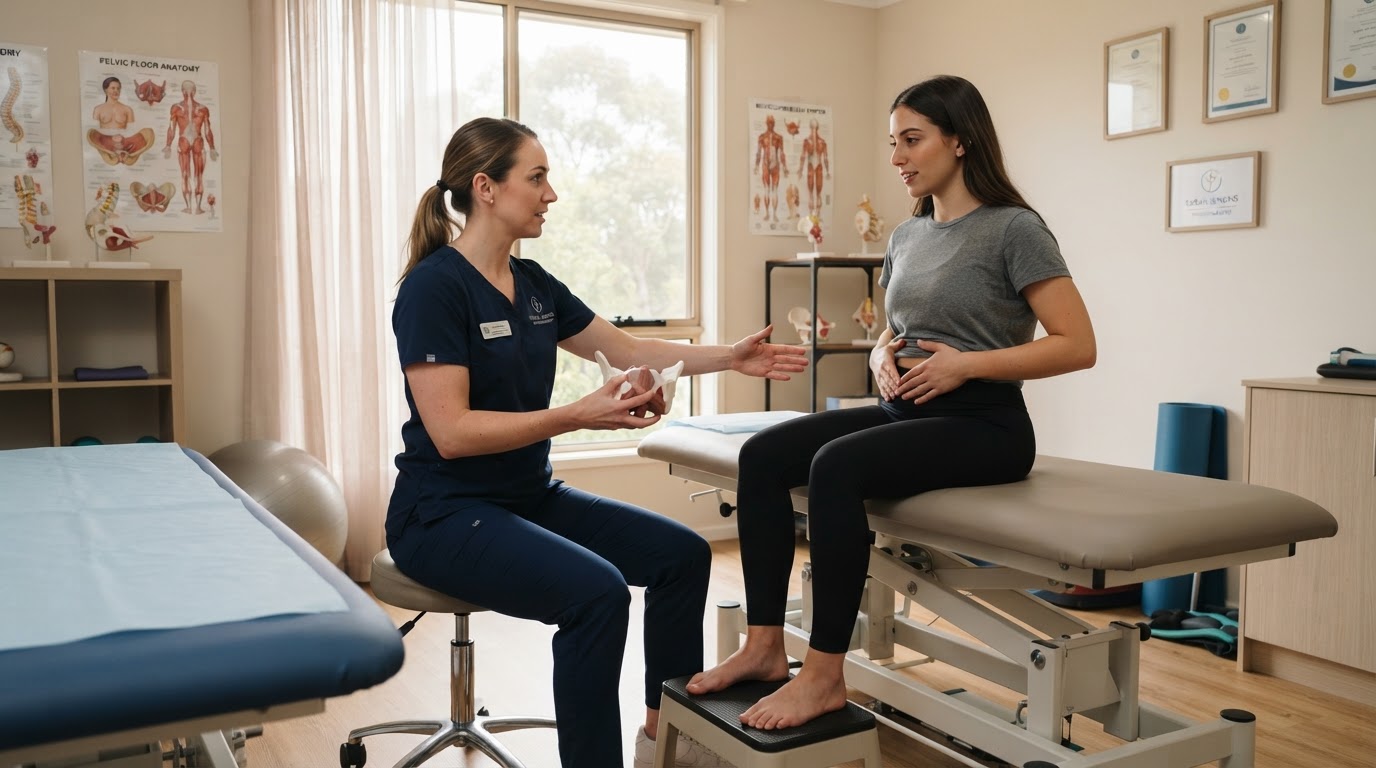

What it is & how it works
Pelvic floor dysfunction frequently overlaps with neurological conditions. Multiple Sclerosis, Parkinson's disease, spinal cord injury and stroke can all disrupt the nerve signals that govern the bladder, bowel and pelvic floor muscles, producing neurogenic bladder, urgency, incontinence, retention and pelvic pain. These symptoms are under-reported and under-treated, yet they respond well to targeted, conservative rehabilitation.
Our neuro-pelvic program blends pelvic health physiotherapy with neuro-rehabilitation principles. We assess the coordination, strength and relaxation of the pelvic floor alongside the broader neurological picture — tone, sensation, mobility and cognition — and design a program that respects both. Biofeedback, behavioural bladder re-training, manual release and functional integration help restore control where the neural wiring has been altered.
Care is discreet, consent-based and individualized. Because neurological pelvic dysfunction is often chronic, goals emphasize dignity, confidence and symptom management rather than cure, with a sustainable maintenance plan that keeps you comfortable and independent at home.
What it may help with
Conditions We Treat
- Neurogenic bladder from MS, Parkinson's or spinal cord pathology
- Urinary urgency, frequency and incontinence
- Incomplete bladder emptying and retention
- Neurogenic bowel dysfunction
- Pelvic heaviness and prolapse-type symptoms
- Pelvic pain linked to neurological tone changes
Common Symptoms
- Urinary urgency or frequency
- Stress or urge incontinence
- Pelvic heaviness & core dysfunction
- Neurogenic bowel issues
Relevant areas addressed
Pelvic Floor Diaphragm
The levator ani and supporting sling, re-educated for coordination, strength and relaxation despite altered neural input.
Bladder & Bowel Control System
Behavioural re-training and biofeedback to restore continence and emptying patterns.
Deep Core Cylinder
The diaphragm, abdominals and pelvic floor that manage intra-abdominal pressure together.
Lumbosacral Nerve Roots
The sacral nerve pathways that supply pelvic control, assessed and respected throughout treatment.
Main treatment methods offered
Pelvic muscle re-education
A targeted, evidence-based technique tailored to your assessment and progressed as your tolerance improves.
Biofeedback & core synergy
Delivered by a registered therapist and integrated with your broader rehabilitation plan.
Postural alignment
Combined with hands-on care and a structured home routine for lasting, functional results.
Bladder re-training strategies
Adjusted each session to your response so treatment stays effective and comfortable.
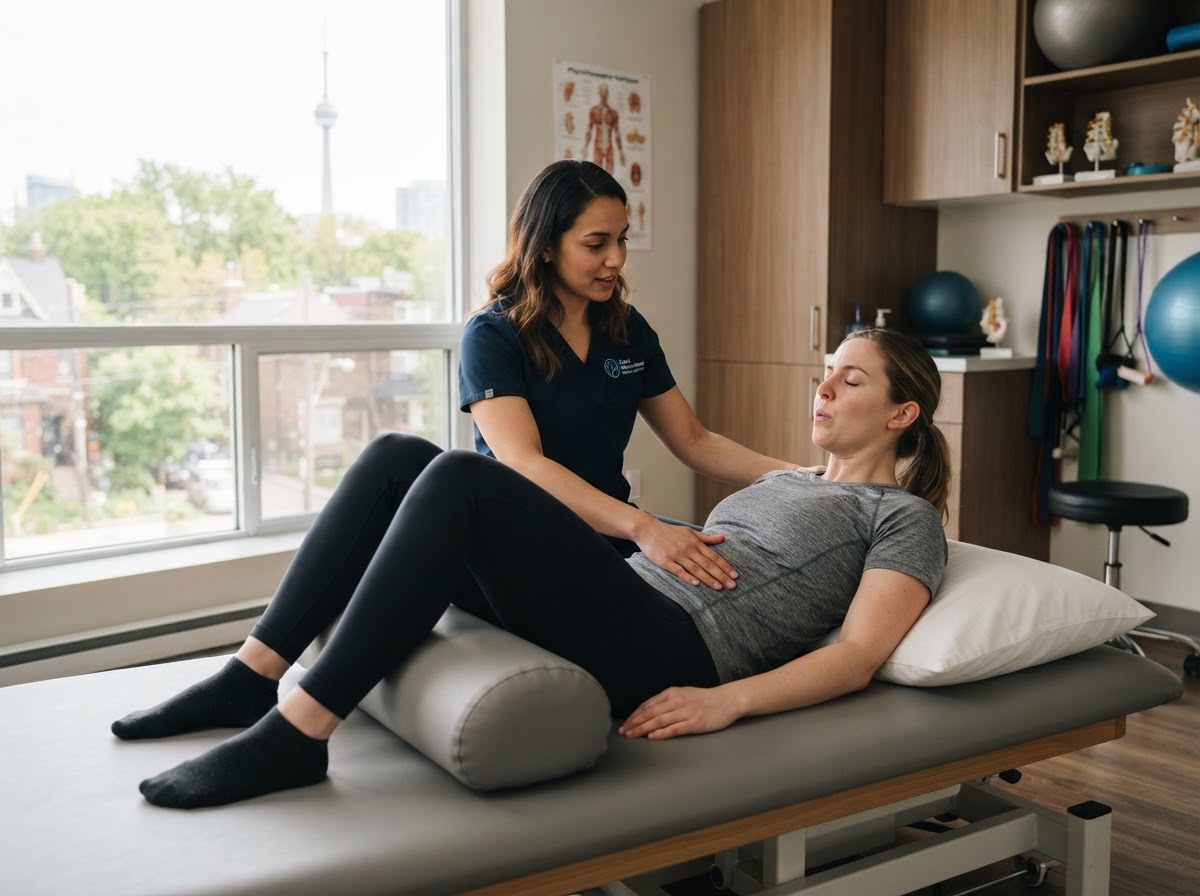
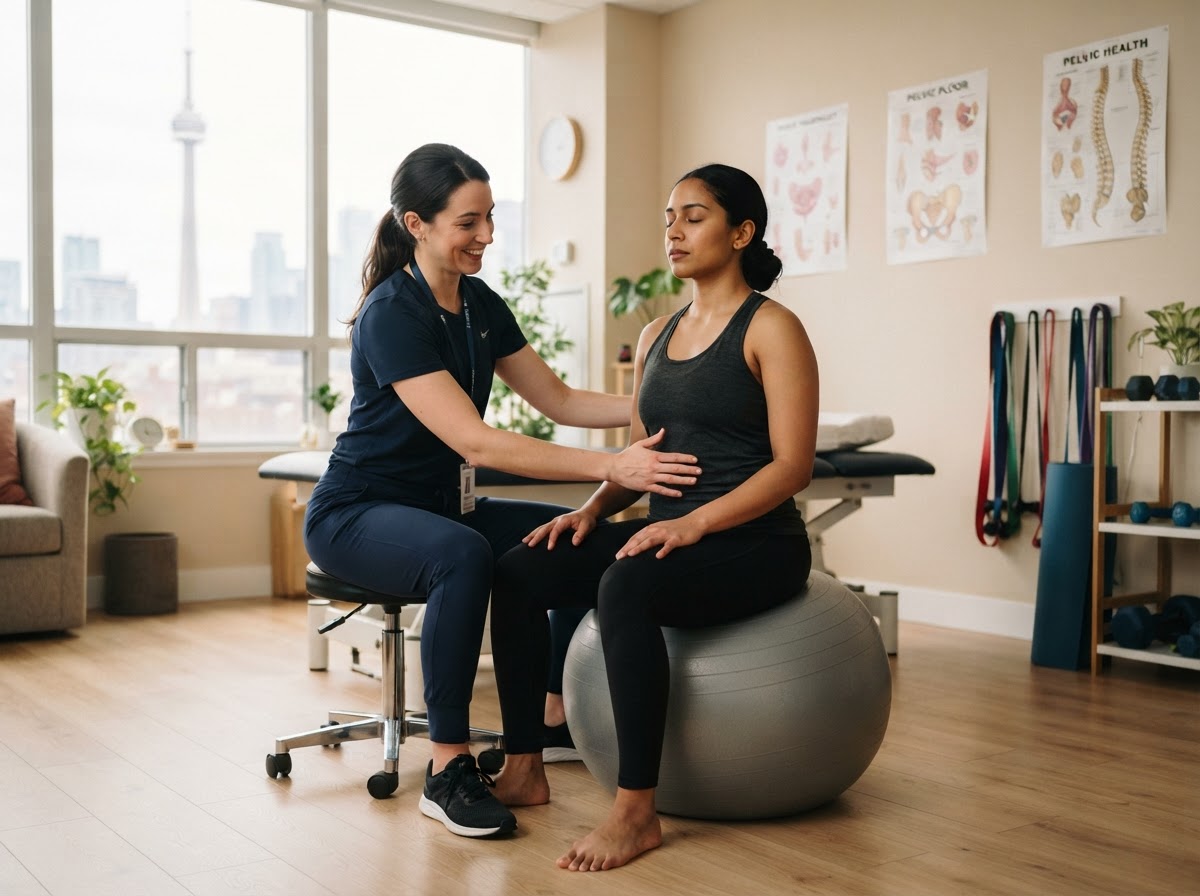
Realistic outcomes & limitations
What You Can Expect
Dramatically improved bowel & bladder control
A realistic, evidence-supported outcome you can expect from consistent treatment and home adherence.
Stronger deep core muscle support
Most patients notice meaningful change within the first several sessions.
Enhanced comfort and dignity
Sustained by the home program and periodic maintenance once the initial goals are met.
Honest Limitations
- Results depend on consistent home exercise and adherence to the prescribed program.
- Acute inflammation, recent surgery or new symptoms may require modification or medical co-management.
- Outcomes vary by individual; we set realistic milestones after your initial assessment.
Assessment, duration & treatment process
Initial Assessment (45–60 minutes)
A private history and gentle physical assessment of pelvic control, tone and function, with full consent and the option to decline any internal component.
Treatment Sessions (30–60 minutes)
Biofeedback, manual release, behavioural re-training and functional drills, with a clear daily home routine tailored to your comfort.
Maintenance & Monitoring
Neurological pelvic issues are often chronic; we provide a sustainable maintenance plan and re-assess as your condition evolves.
Precautions & possible side effects
Suitable For
- People with MS, Parkinson's, spinal cord or post-stroke pelvic changes.
- Patients with neurogenic bladder or bowel symptoms.
- Those wanting discreet, conservative management of incontinence.
- Individuals seeking greater dignity and confidence in daily life.
Precautions
- Internal assessment is optional and always consented to; external treatment is available.
- Active urinary infections are treated with your physician first.
- Progressive disease is managed for symptom control, not cure.
- Report new retention, bleeding or prolapse changes for medical review.
Common questions & booking
Ready to take your first step?
Book your initial consultation at One Step Ahead Mobility in Toronto. No referral required.
Take Your First Step Toward Lasting Relief
Every treatment at One Step Ahead Mobility begins with a thorough assessment and a clear, personalized plan. No referral required — direct billing available.